Species-Specific Features

The Ultimate Boa Constrictor Tracker

Track feedings, monitor growth, manage breeding projects, and document localities. The essential app for boa constrictor keepers and serious breeders.
5K+
Boas Tracked
100+
Morphs & Localities
4.9
Keeper Rating
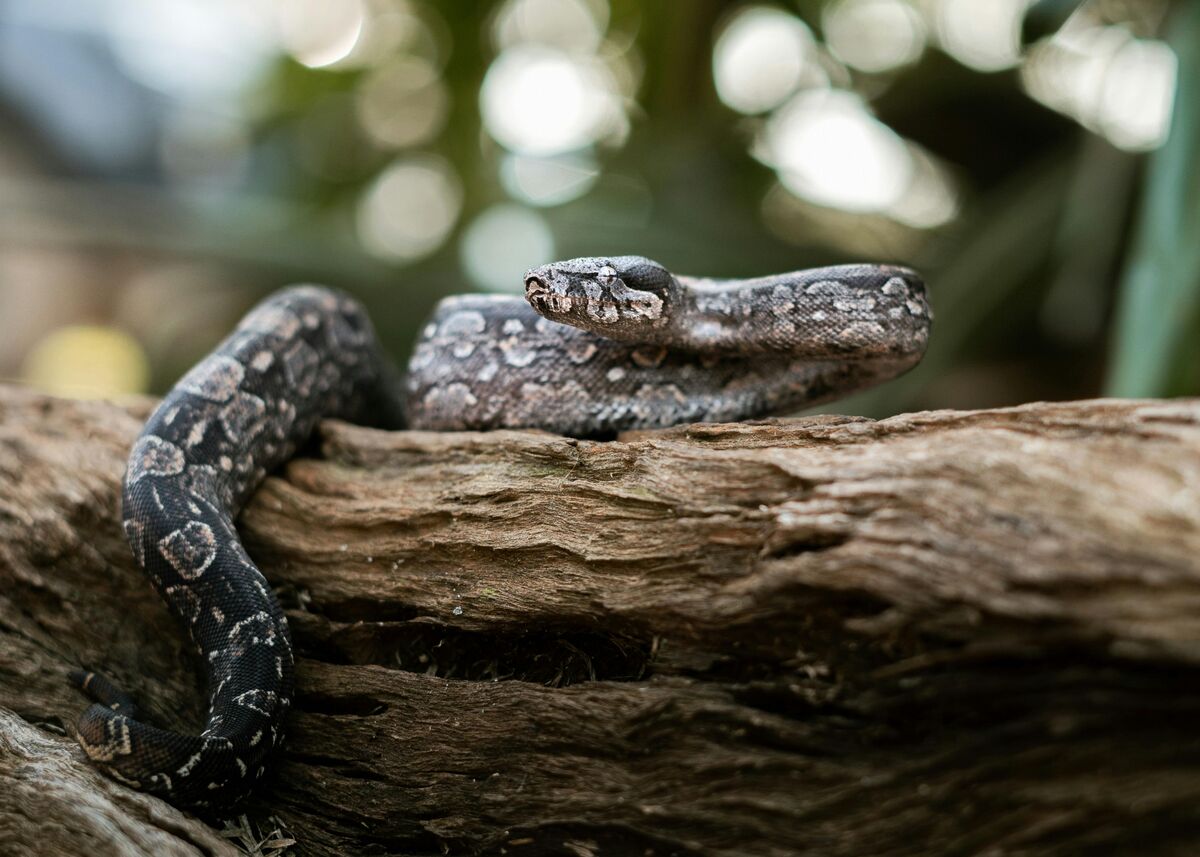
Boa constrictor showing muscular body with distinctive saddle pattern

Everything You Need for Boa Constrictor Care

Purpose-built features for the unique needs of boa constrictors, from locality tracking to live-birth breeding management.

Feeding Schedule Tracking

Log feedings with prey type and size. Track feeding intervals to prevent overfeeding - a common issue with boas that can lead to obesity.

  • Prey size logging
  • Interval tracking
  • Obesity prevention

Weight & Length Monitoring

Track both weight and length growth over time. Monitor body condition and ensure healthy growth rates for your boa's locality.

  • Weight charts
  • Length tracking
  • Body condition scores

Shedding Cycle Logs

Monitor shedding frequency and quality. Boas shed less frequently as adults, so tracking helps establish normal patterns.

  • Shed frequency
  • Quality tracking
  • Pattern monitoring

Cooling & Breeding

Track cooling periods for breeding preparation. Monitor temperatures, duration, and breeding introductions through the full cycle.

  • Cooling logs
  • Breeding pairs
  • Gestation tracking

Locality & Genetics

Track localities (Nicaraguan, Hog Island, Suriname, etc.) and morph genetics for breeding projects and collection management.

  • Locality tracking
  • Morph genetics
  • Lineage records

Temperature Logging

Record temperature gradients across the enclosure. Ensure proper basking temps and ambient temperatures for digestion and health.

  • Gradient tracking
  • Basking temps
  • Seasonal adjustments

Track Any Boa Morph & Locality

From Colombian classics to rare dwarf localities, track every boa in your collection with accurate morph and locality documentation.

Normal/ClassicColombianNicaraguanHog IslandSurinameArgentineHypoAlbinoAneryMotleyJungleLeopardIMGBloodSunglowGhostSuper Dwarf + 100 more morphs

Boa Constrictor Care FAQ

Common questions about boa constrictor care and how Herp Tracker can help.

How often should I feed my boa constrictor?
Juvenile boas eat every 7-10 days, while adults should be fed every 2-4 weeks depending on prey size and the boa's body condition. Herp Tracker helps you maintain appropriate feeding schedules and avoid overfeeding.
How big do boa constrictors get?
Common boas typically reach 6-10 feet, with females being larger than males. Dwarf localities like Nicaraguan or Hog Island boas stay smaller at 4-6 feet. Herp Tracker tracks length and weight to monitor healthy growth.
What temperature does a boa constrictor need?
Boas need a basking spot of 88-92°F, an ambient warm side of 82-86°F, and a cool side of 78-80°F. Herp Tracker lets you log temperature readings and ensure proper gradients.
How do I breed boa constrictors?
Boa breeding involves a cooling period, introducing pairs, monitoring for ovulation, and caring for live-born neonates. Herp Tracker's breeding module tracks the entire process from cooling to birth.
What's the difference between BCI and BCC boas?
BCI (Boa constrictor imperator) are common boas from Central America, while BCC (Boa constrictor constrictor) are true red-tailed boas from South America. Herp Tracker supports tracking different localities and subspecies.

Ready to Track Your Boa Constrictors?

Join thousands of boa keepers who use Herp Tracker to provide the best care. Start free with up to 3 animals.